2025 Bookshelf

I’ve come to love the reflection on the books I’ve read over the course of the year. This year, I was able to read 26 books by various authors, covering different topics. Interestingly, looking across the books I read this year, some themes emerge…
The importance of time, attention, and truth in an increasingly accelerated and deceptive world.
Modern life pulls us toward distraction, false narratives, and endless optimization, while meaning is found in slowing down, making wise choices, and anchoring ourselves in what’s true. Whether framed spiritually, philosophically, or narratively, these books argue that freedom comes not from more options or speed, but from intentional limits, presence, and alignment with deeper values.
Books: Live No Lies, The Ruthless Elimination of Hurry, A Minute to Think, Liturgy of the Ordinary, and The Midnight Library
Designing—systems, organizations, and human experiences—comes with a responsibility.
Good design is ultimately about empathy, clarity, and leverage. The strongest organizations don’t just optimize processes or sell better—they design cultures, conversations, and incentives that make better behavior easier. Small structural choices compound, whether in products, sales motions, or brand systems, reinforcing the idea that thoughtful design can quietly—but profoundly—change outcomes.
Books: User Friendly, Brave New Work, Reset, Competing on Thought Leadership, Dirtbag Billionaire, From Strength to Strength, 3 Shades of Blue, The New MEDDICC, and Covert Cows and Chick-fil-A.
Identity and humanity in the face of technological, cultural, and existential pressure
Time travel, surveillance, or mystery can be lenses to ask deeply human questions: Who are we when systems fail us? What do we owe one another? What moments define a life? This theme suggests a growing preoccupation choosing a life—personally and professionally—that is both meaningful and humane.
Books: Hum, The Ministry of Time, This Is How You Lose the Time War, The Gone World, The Other Valley, God of the Woods, The Memory Collectors, and The Dream Hotel
Without further ado, here are the books that made up my 2025…
Review Scale
★★★★★ Changed me in some way; would recommend.
★★★★ Great book; would recommend.
★★★ Would recommend under the right circumstances.
★★ Some interesting parts; unlikely to recommend.
★ I read the book.
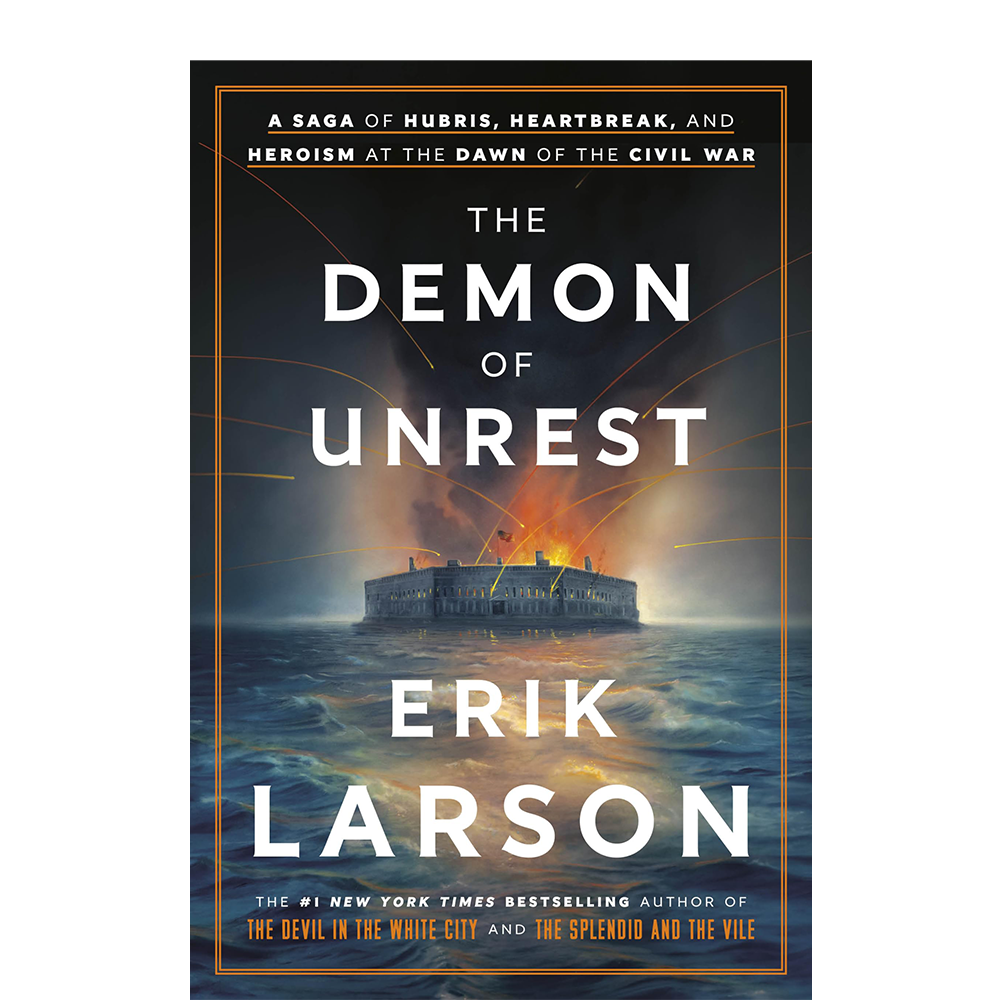
The Demon of Unrest
Erik Larson
Devil in the White City is one of my favorite books. I was excited to read Larson’s newest. The book provides an in-depth look into the escalating tensions surrounding Lincoln’s election, slavery, and states' rights that pushed the country toward sessecion and armed conflict.
With great detail, Larson examines how opposing viewpoints solidified across regional lines, manifesting in political maneuverings, fiery rhetoric, and, ultimately, the first shots of the war at Fort Sumter in Charleston.
★★★★
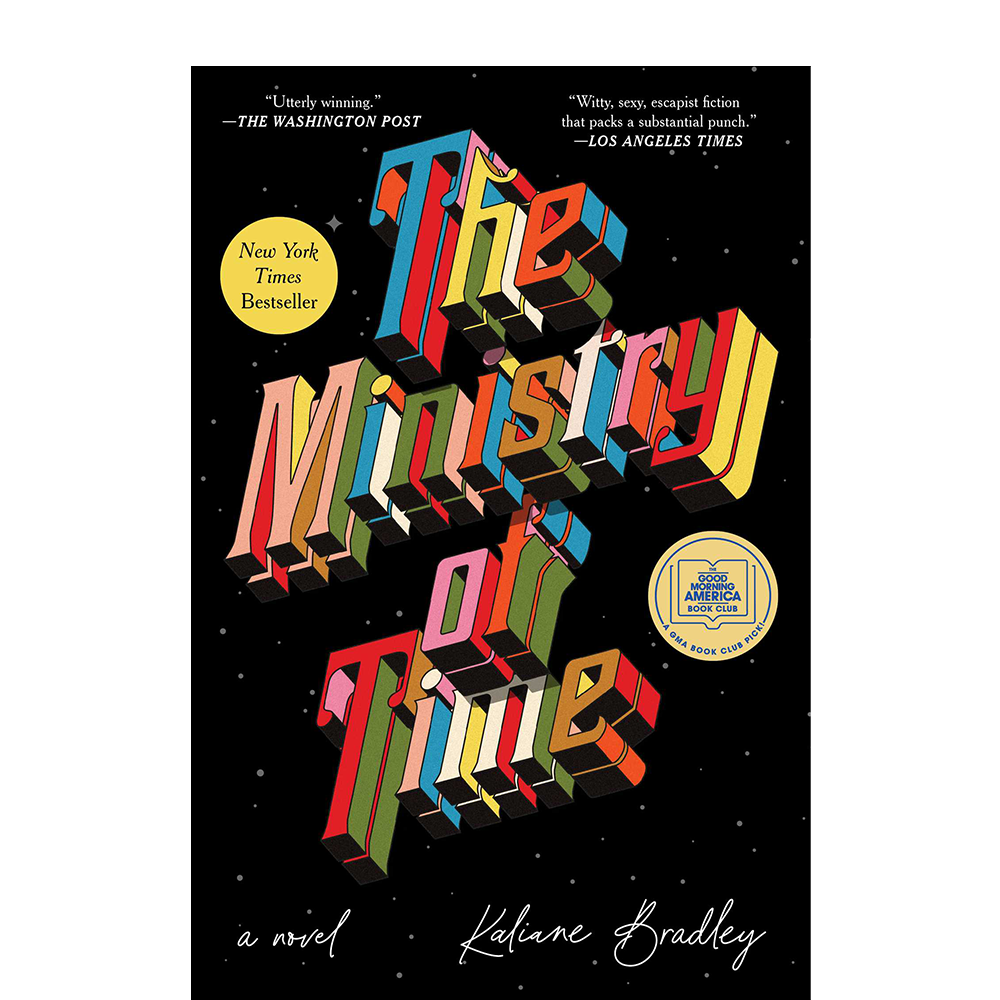
The Ministry of Time
Kaliene Bradley
This genre-blending novel combines elements of time travel, romance, spy thriller, and workplace comedy. It follows a civil servant, a “bridge,” assigned to integrate Commander Graham Gore, a 19th-century Arctic explorer, into modern society, leading to unexpected personal and professional challenges.
While the book was on many 2024 “best of” lists, it fell a bit short for me. However, the book provided an unexpected quote that I will use in design and innovation efforts from now on: “Ideas have to cause problems before they cause solutions.”
h/t to Andrew Footit for a rad cover (for those of us who do judge a book by its cover.)
★★★

Good Talk: How to Design Conversations that Matter
Daniel Stillman
I can’t remember if it was a YouTube video or blog article where I first learned about Daniel Stillman. But I’m glad I did. Good Talk is part book/part workbook for designing and dissecting your own conversations.
Stillman offers a structured framework and explains individual models (Conversation OS) to enhance personal and professional dialogues. By dissecting the elements of effective communication and providing tools and strategies to consider each part, you can foster meaningful and transformative conversations.
★★★
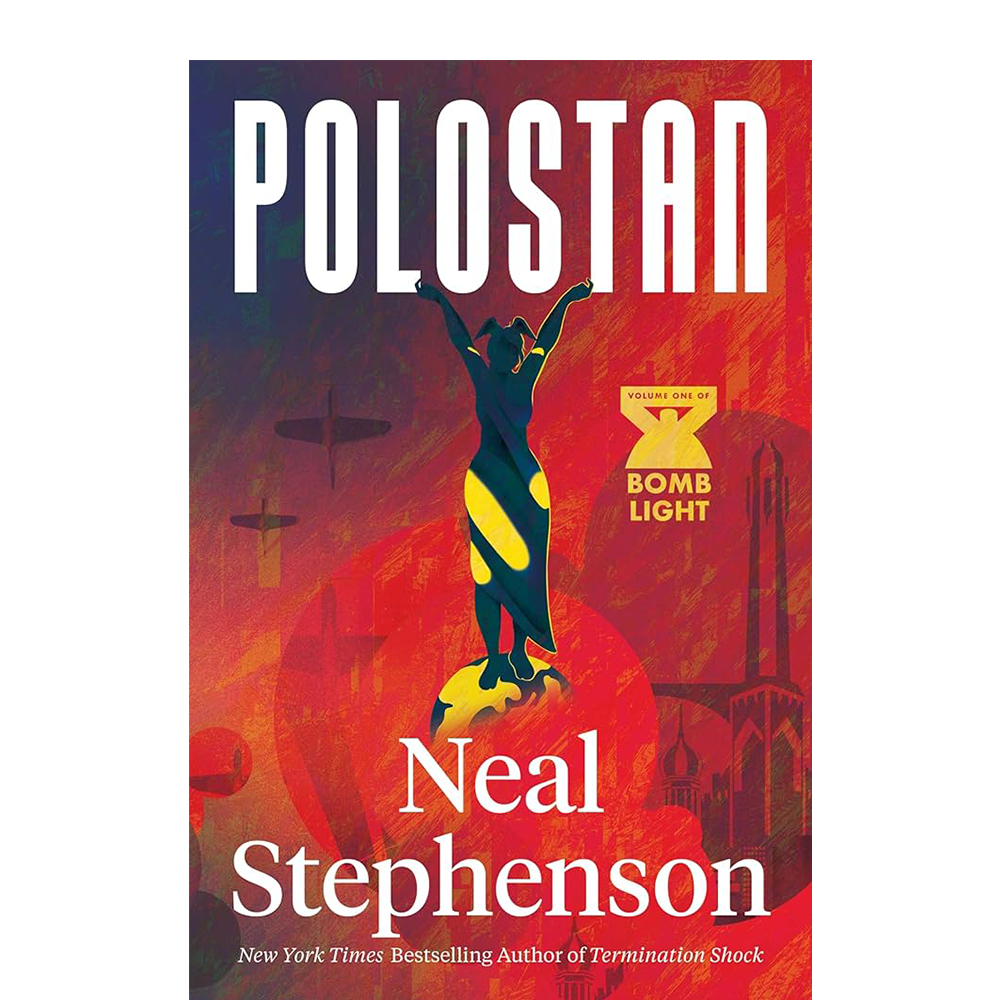
Polostan
Neal Stephenson
The inaugural novel in the Bomb Light series, Polostan, chronicles the early life of Dawn Rae Bjornberg, later known as Aurora Artemyeva. Born to a Russian father and an American mother, she navigates a complex upbringing between the American West and post-revolutionary Leningrad. Her journey leads her into espionage, as she becomes entangled with the organization that eventually evolves into the KGB.
This might have been the first book recommendation I accepted from Goodreads. While it had all the elements I typically enjoy (Chicago World’s Fair, spies, multiple timelines, etc.), I admittedly struggled through the majority of the book. It ended on somewhat of a cliffhanger, but I just don’t know if I have it in me to continue on.
★★
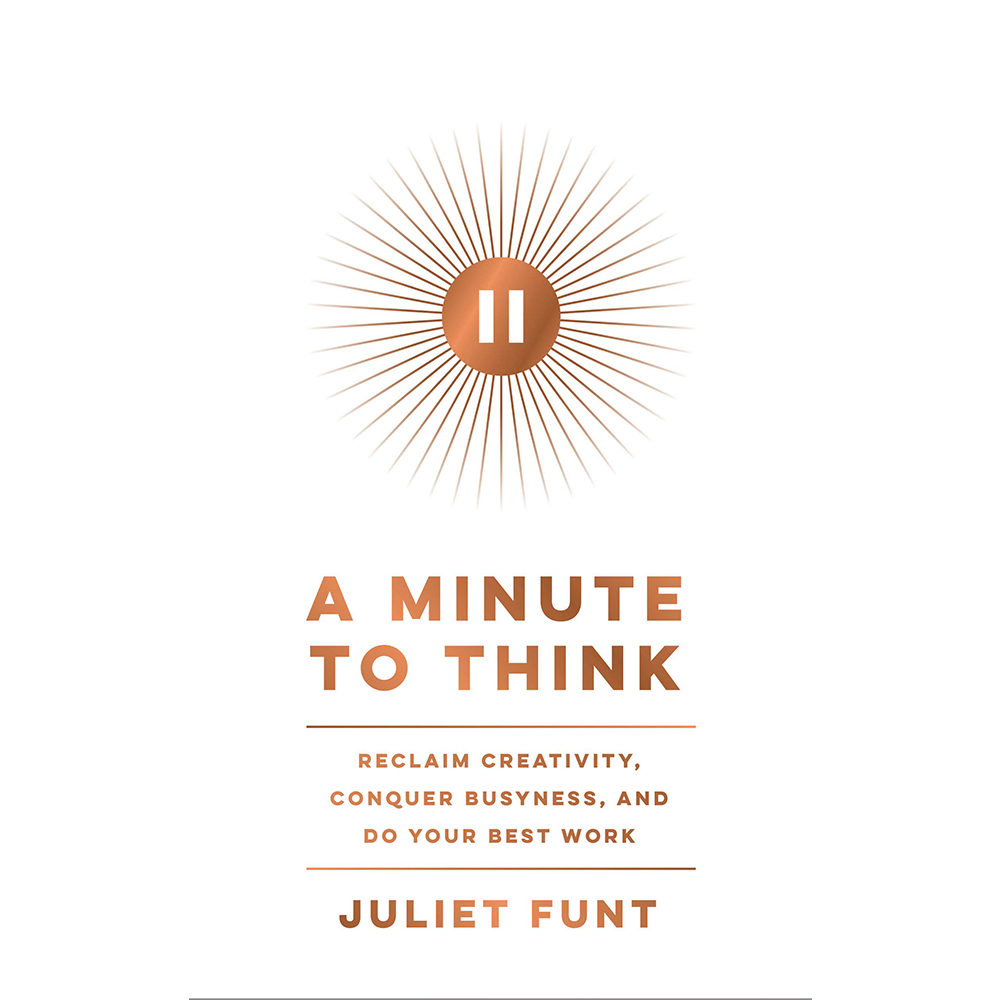
A Minute to Think
Juliet Funt
A Minute to Think explores the importance of creating "white space"—intentional pauses in our busy schedules—to boost productivity, creativity, and well-being. She argues that constant busyness leads to burnout and inefficiency, while strategic breaks enhance focus and decision-making. Through practical strategies and vivid story-telling, Funt helps individuals and organizations reclaim time for deeper thinking and meaningful work.
★★★
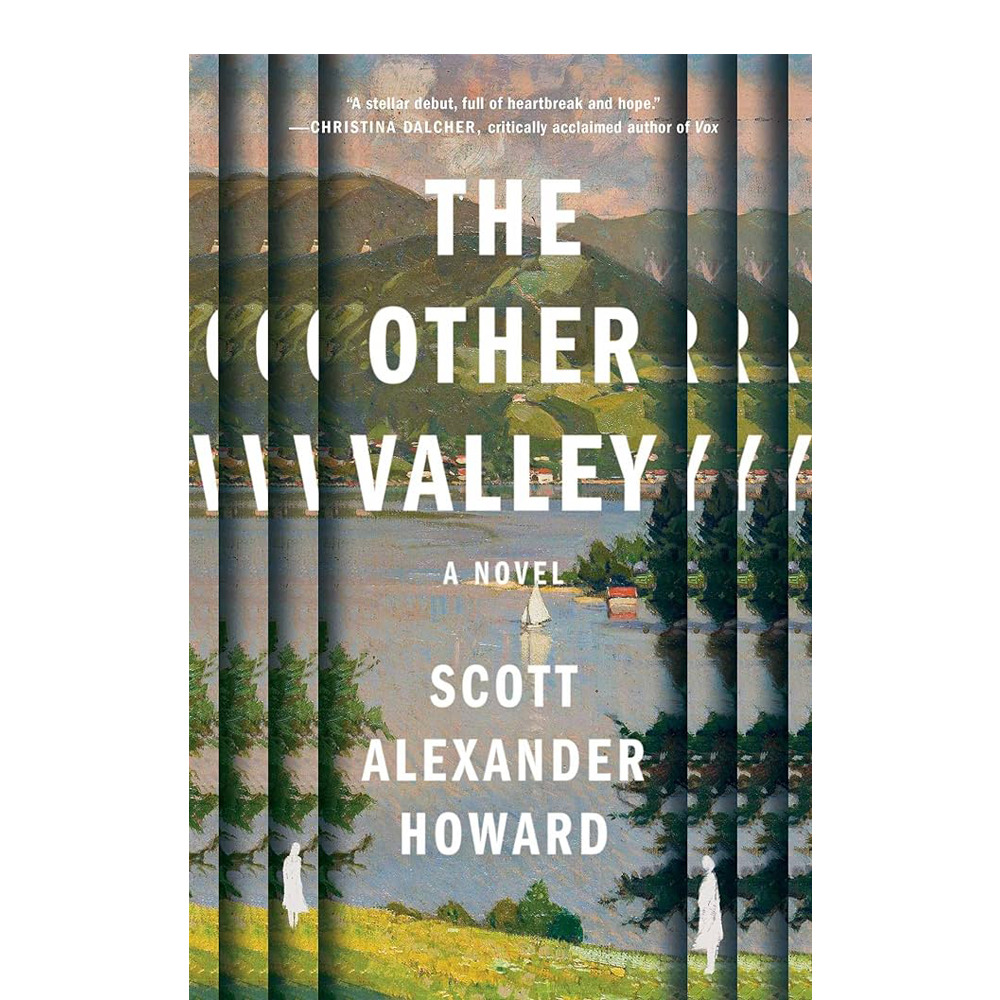
The Other Valley
Scott Alexander Howard
"The Other Valley" by Scott Alexander Howard is a speculative fiction novel that explores themes of time, free will, and moral dilemmas. Set in a series of identical valleys, each twenty years apart, the story follows sixteen-year-old Odile, who, upon discovering that her friend Edme is destined to die, must choose between preserving the timeline or intervening to save him. This narrative delves into the complexities of time travel and the profound impact of our choices.
★★★★
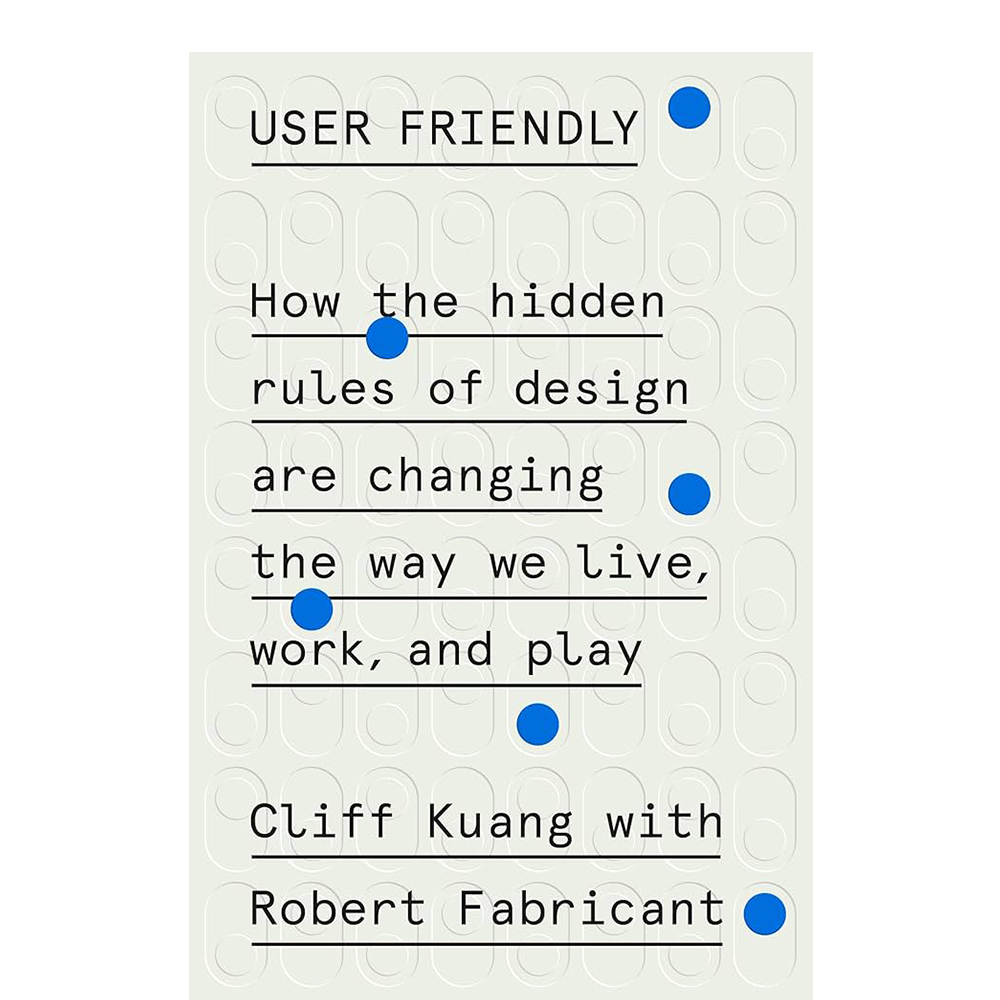
User Friendly: How the Hidden Rules of Design are Changing the Way We Live, Work, and Play
Cliff Kuang with Robert Fabricant
Design shapes the world around us by making technology intuitive and accessible. The book traces the evolution of user-centered design, highlighting its influence on everything from everyday products to complex digital experiences. Through engaging stories and analysis, it reveals the power—and pitfalls—of creating products that prioritize ease of use.
★★★
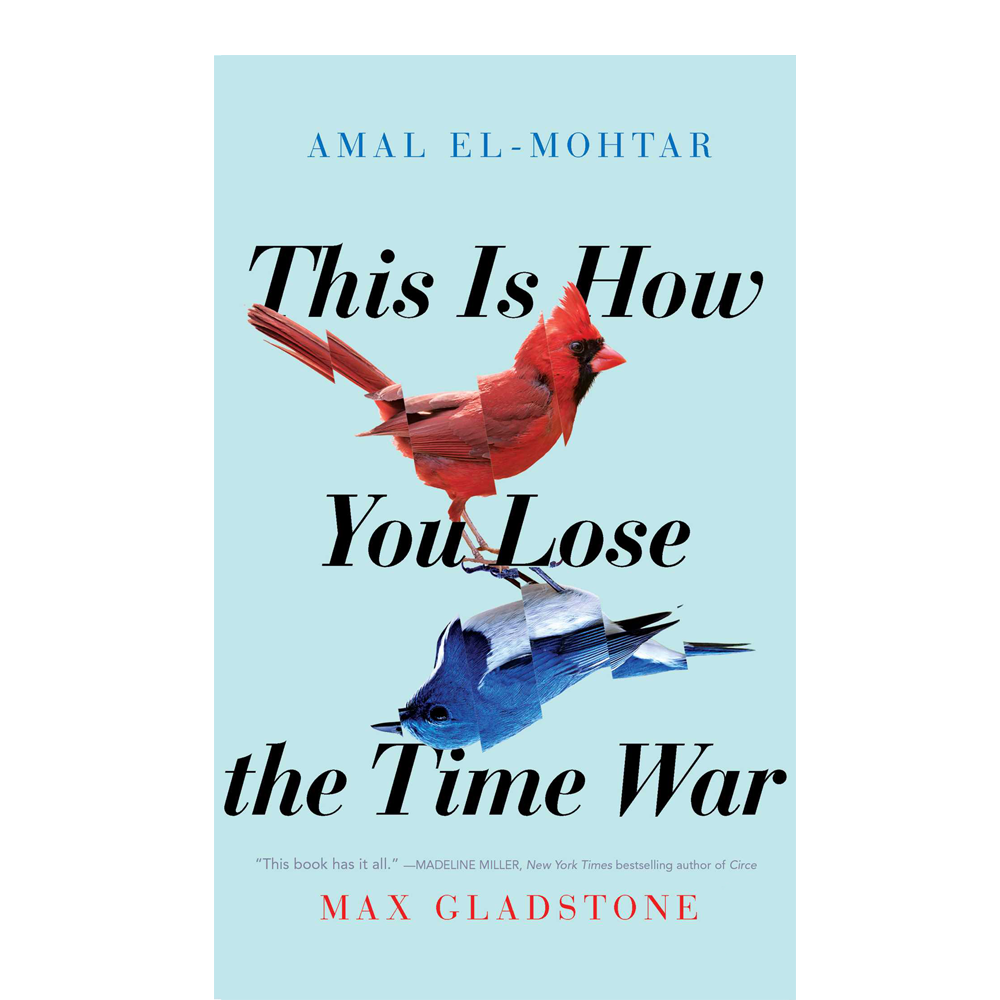
This is How You Lose the Time War
Amal El-Mohtar and Max Gladstone
This genre-blending novella highlights two rival agents, Red and Blue, who battle across time and alternate realities. As they exchange taunting letters that gradually become love notes, their forbidden romance threatens their loyalties and the fate of their respective factions. The book is a poetic exploration of love, destiny, and defiance against the backdrop of a time-spanning war.
★★
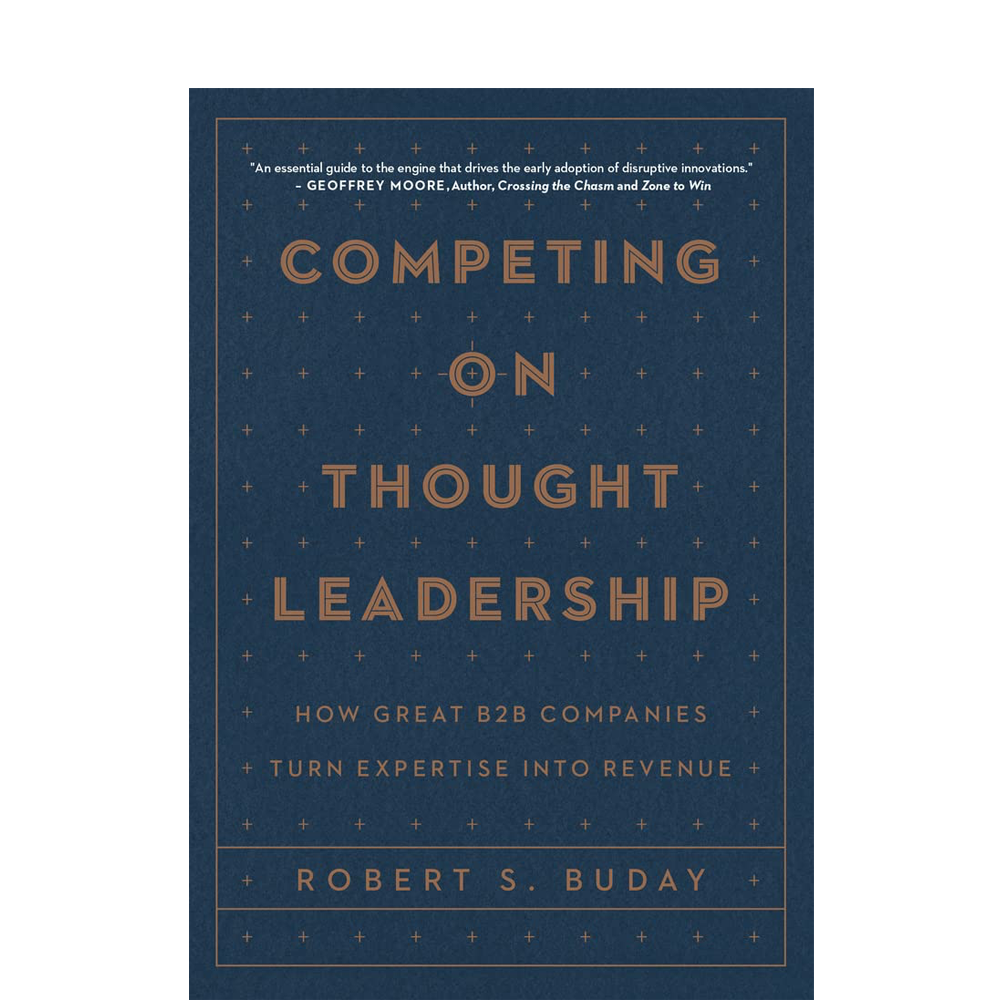
Competing on Thought Leadership
Robert S. Buday
If you need a guide to building authority and influence through high-impact thought leadership, this is the book. It outlines strategies for developing, promoting, and monetizing thought leadership to drive business growth. Through case studies and practical insights, it demonstrates how companies can differentiate themselves by creating and sharing valuable expertise.
★★★
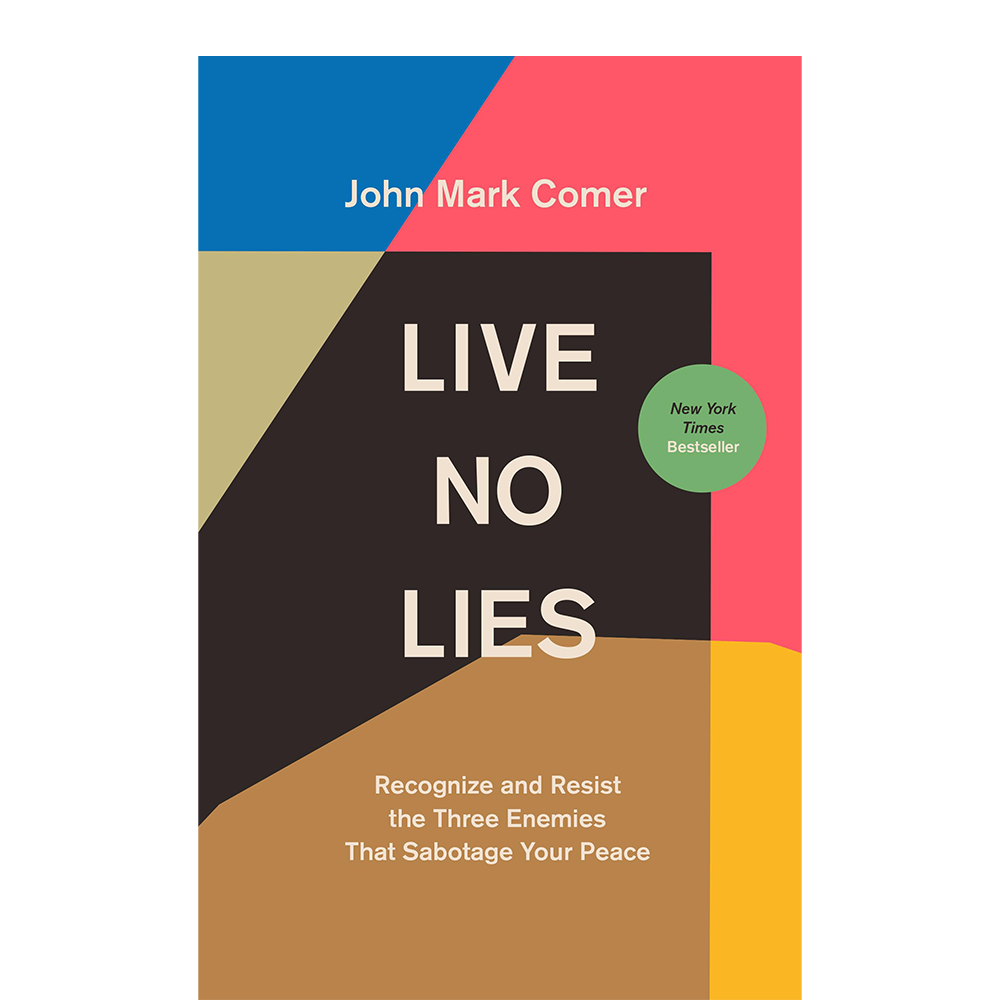
Live No Lies
John Mark Comer
Live No Lies explores how deception—both internal and external—erodes spiritual and emotional well-being. The book identifies three primary sources of lies: the devil, the flesh, and the world, and offers biblical strategies for resisting them. Comer encourages readers to embrace truth and cultivate a life of spiritual resilience and freedom.
★★★★
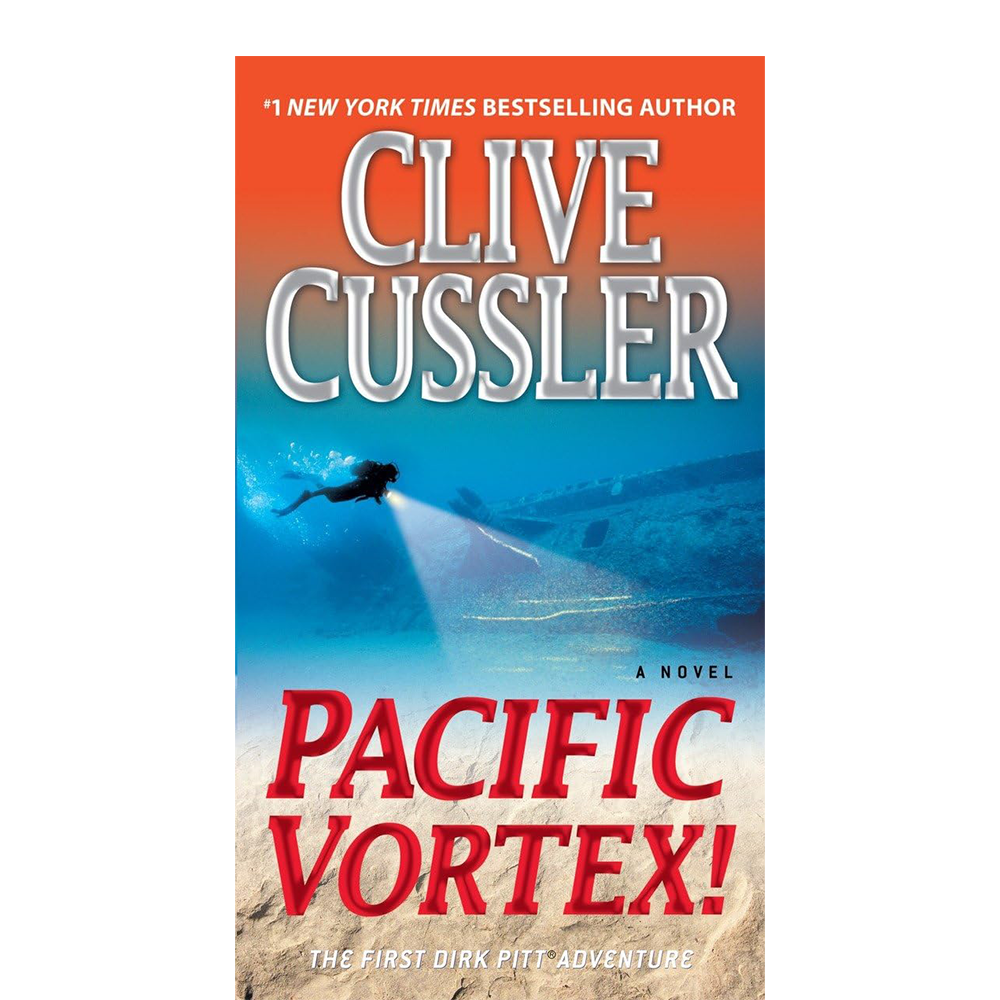
Pacific Vortex!
Clive Cussler
Cussler’s books have long been an easy escape for me while traveling. The light reading and action-packed pages are great for airplanes, beaches, and hotel rooms. This is the first adventure featuring Dirk Pitt (also played by Matthew McConaughey in Sahara) as he investigates the disappearance of a Navy submarine in a region of the Pacific Ocean known as the "Vortex." Uncovering a hidden underwater world, Pitt races against time to prevent a global catastrophe.
★★★
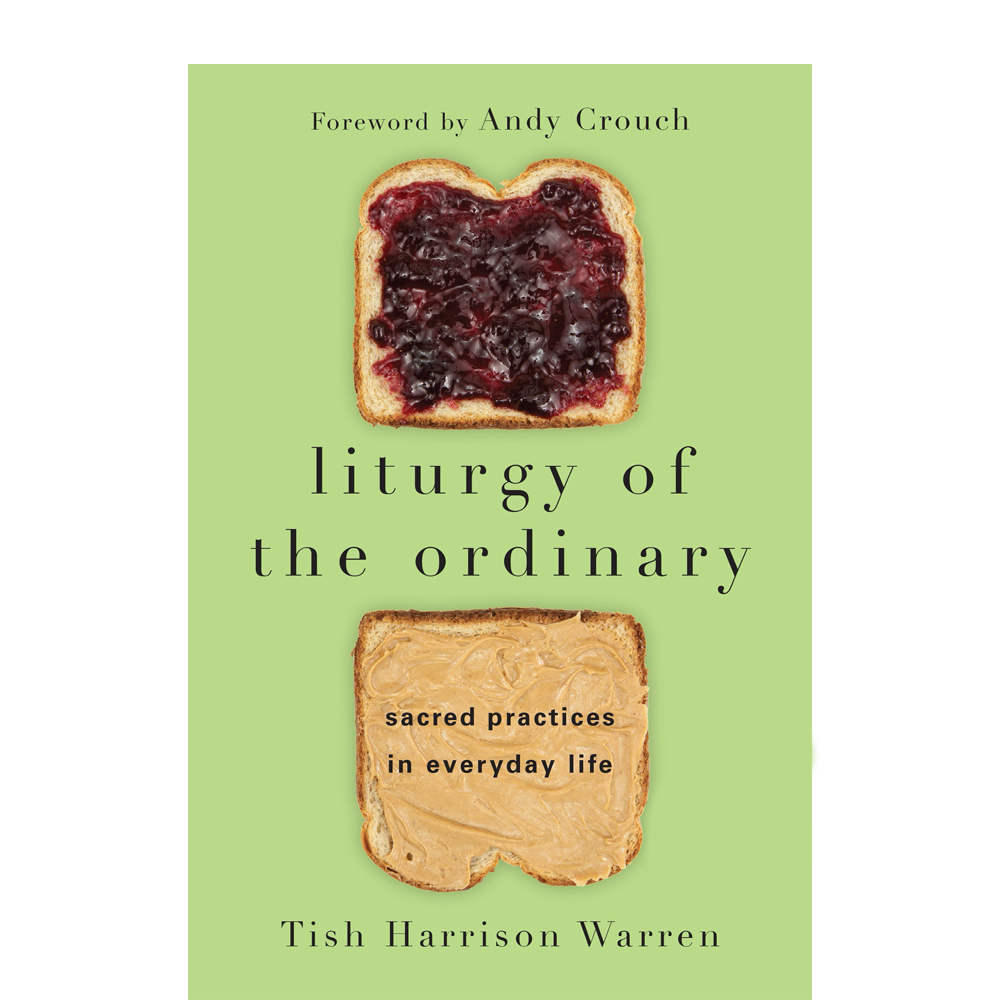
Liturgy of the Ordinary: Sacred Practices in Everyday Life
Tish Harrison Warren
This is an invitation to discover the sacred within the mundane routines of daily life. Structured around a typical day, Warren connects ordinary activities—such as making the bed, brushing teeth, or sitting in traffic—to spiritual practices and aspects of Sunday worship, illustrating how these moments can become opportunities for encountering God. She emphasizes that spiritual formation occurs not only in grand gestures but also in the repetitive and often overlooked tasks of everyday living.
★★★
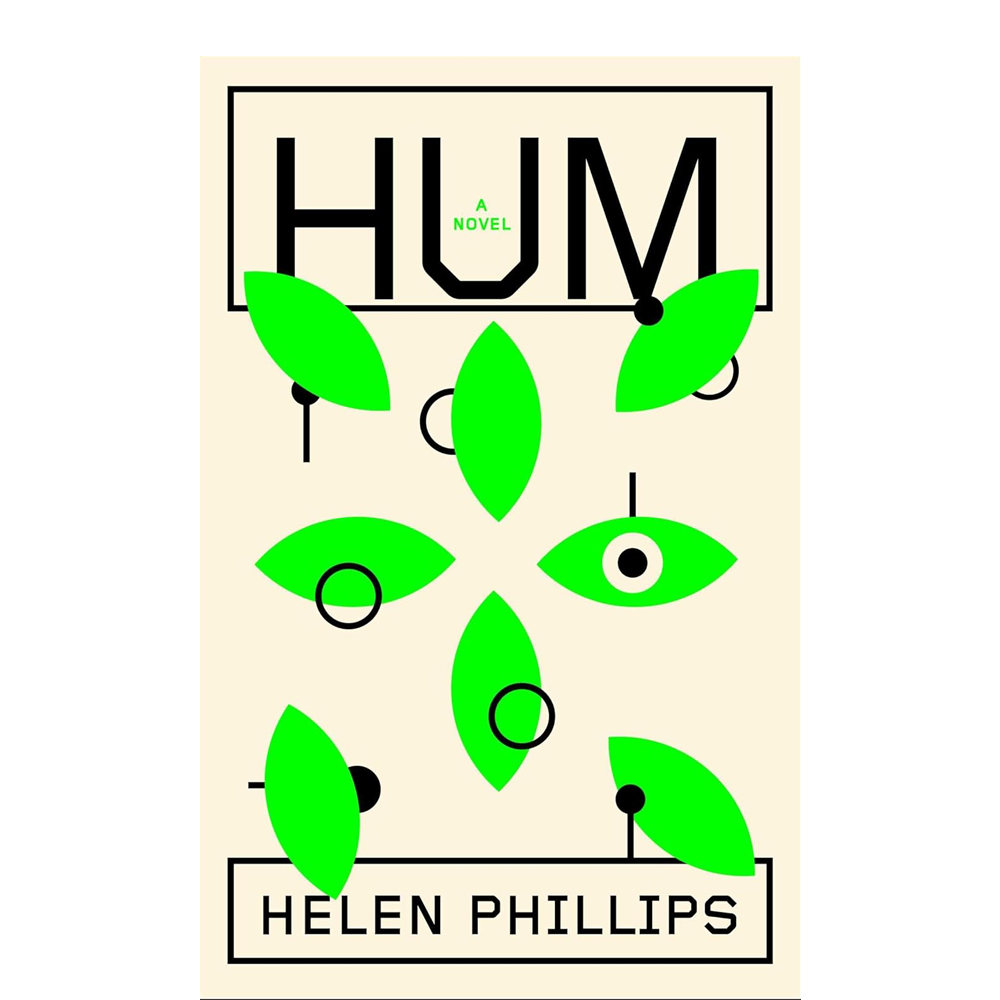
Hum
Helen Phillips
This is a speculative fiction novel set in a climate-ravaged, AI-dominated near future, where a mother loses her job to humanoid robots known as “hums” and opts for an experimental facial procedure to evade surveillance and support her struggling family. Seeking reconnection, she leads her family on a three-night retreat—only for her children to vanish, forcing her to rely on a hum of ambiguous motives to save them.
★★★★
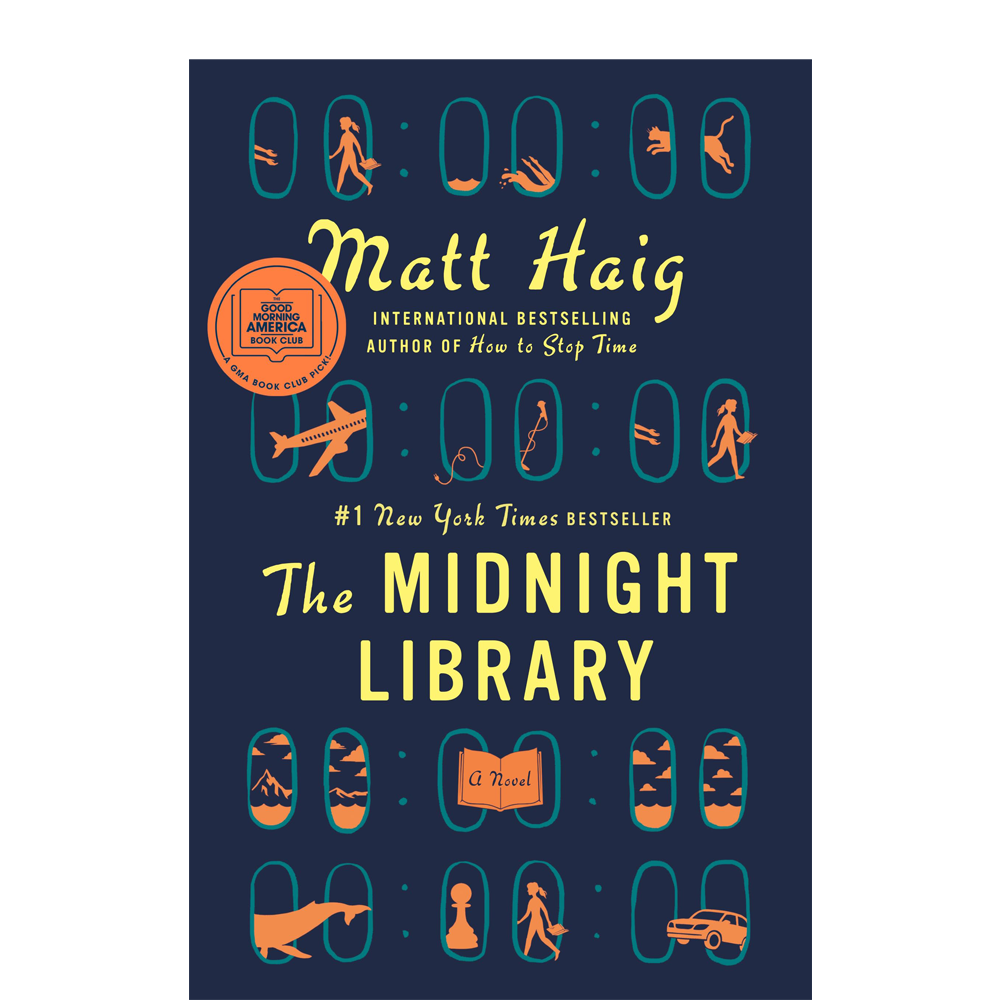
The Midnight Library
Matt Haig
Follow the protagonist as she discovers a mystical library between life and death, where each book offers her a chance to live a different version of her life—prompting profound reflections on regret, choice, and the value of the life she already has.
★★★★
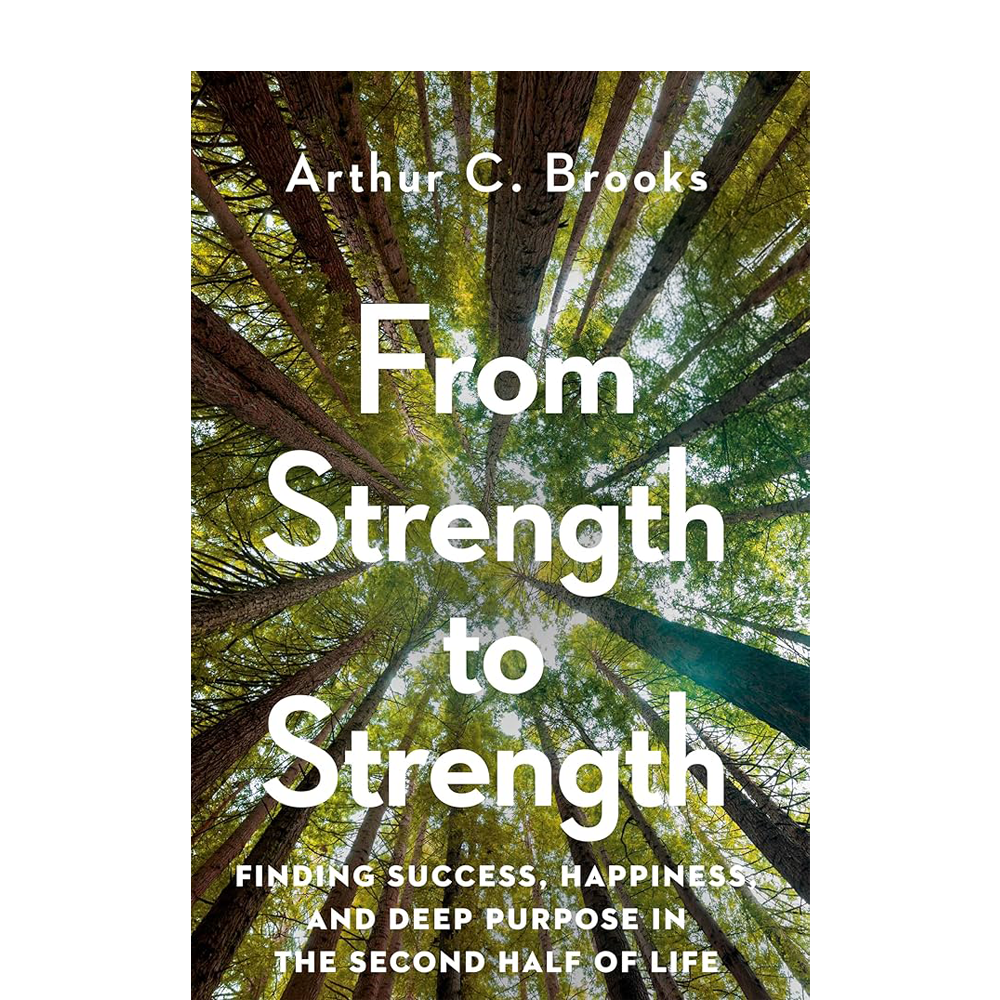
From Strength to Strength: Finding Success, Happiness, and Deep Purpose in the Second Half of Life
Arthur C. Brooks
As I’ve crossed the midpoint of life, I’m always curious to find advice from those who have gone before me. This book serves as a guide to finding happiness and purpose in the second half of life by shifting one's focus from achievement and ambition toward wisdom, connection, and spiritual growth.
No one really tells you what to expect in the latter half of your life. This helped proatively adjust my expectations and plan for the future.
★★★★
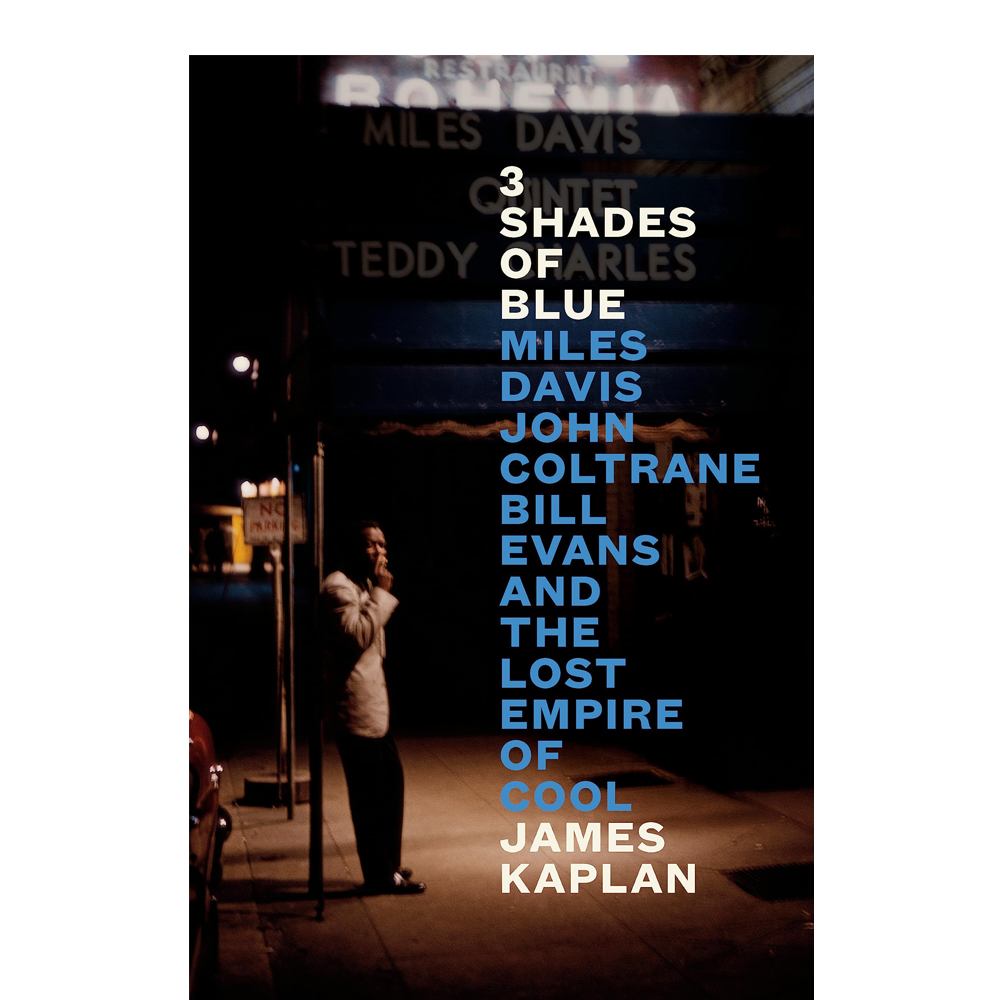
3 Shades of Blue: Miles Davis, John Coltrane, Bill Evans, and the lost Empire of Cool
James Kaplan
The book traces how jazz icons Miles Davis, John Coltrane, and Bill Evans came together to create the seminal album Kind of Blue, and in doing so, chronicles a golden era of American jazz, creativity, race, and innovation.
As a longtime jazz enthusiast, I picked up the book because I was interested in learning more about the details of these iconic musicians. I was pleasantly surprised with the amount of creativity and innovation directly mentioned or alluded to throughout.
★★★★
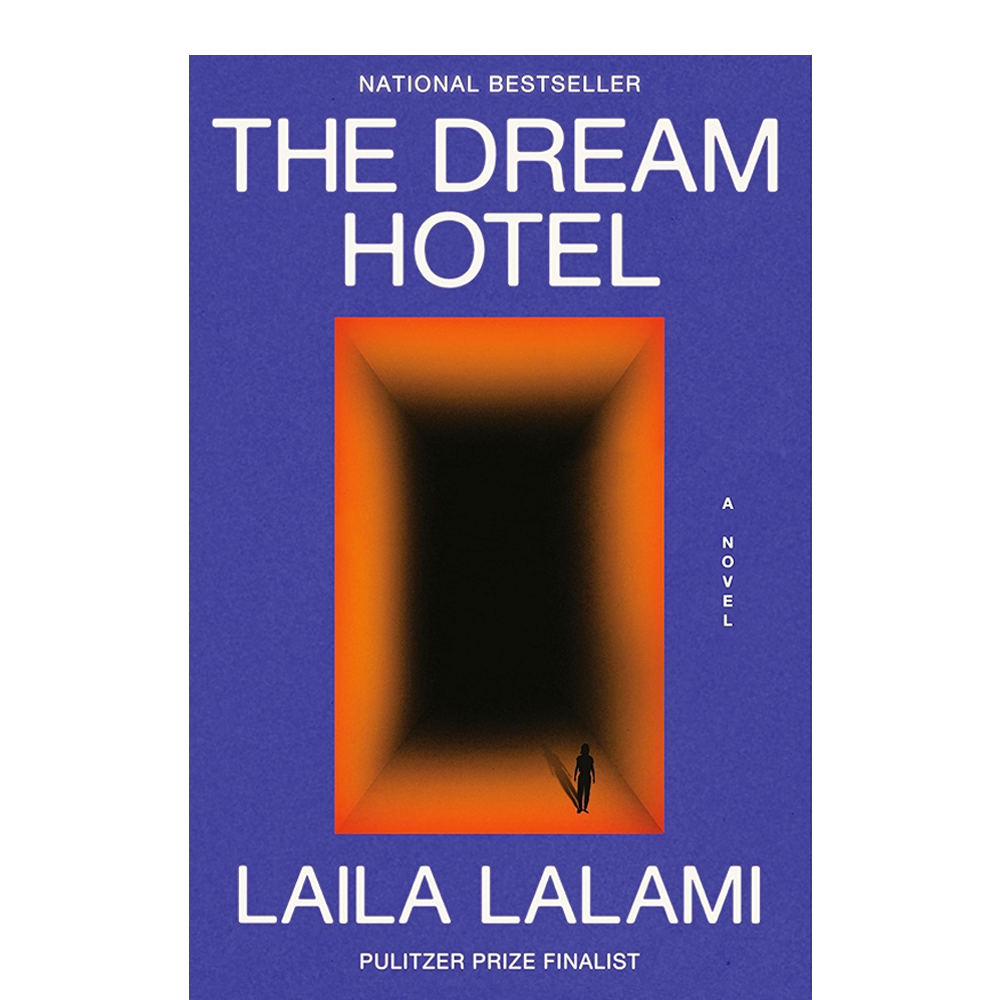
The Dream Hotel
Laila Lalami
Lalami has created a chilling near-future dystopian novel in which a woman is detained by a government agency after her dreams—monitored by an algorithm—signal a potential crime, forcing her to fight for her freedom under relentless surveillance.
The first 90% is great. The last 10% left me wanting more.
★★★
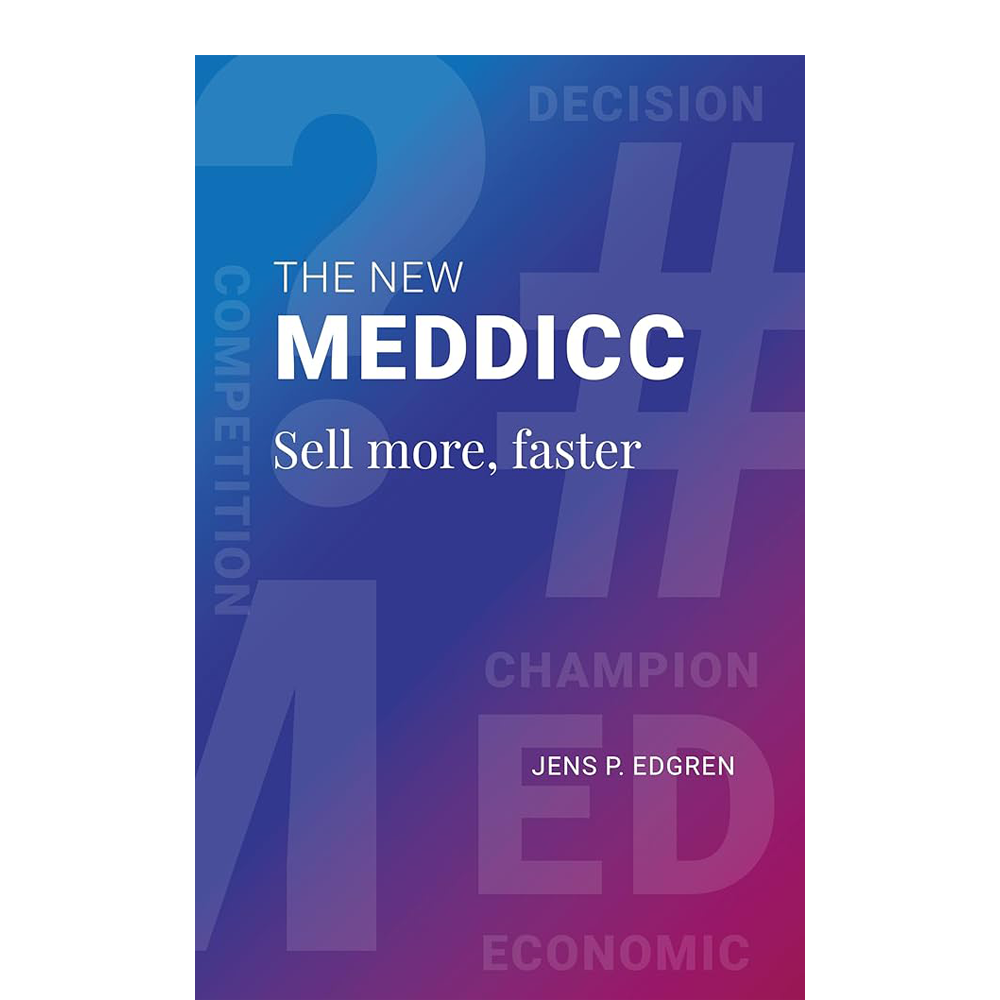
The New MEDDICC: Sell more, faster
Jens Edgren
Edgren distills the MEDDICC sales‑qualification framework into a modern playbook that teaches sellers how to zero in on the right deals, use cutting‑edge questioning techniques and storytelling, and close smarter and faster.
While this isn’t my personal favorite book focused on sales (maybe too SaaS/tech focused), I appreciated the focus on EQ and storytelling. As with any sales method or framework, application is key for it to succeed.
★★★
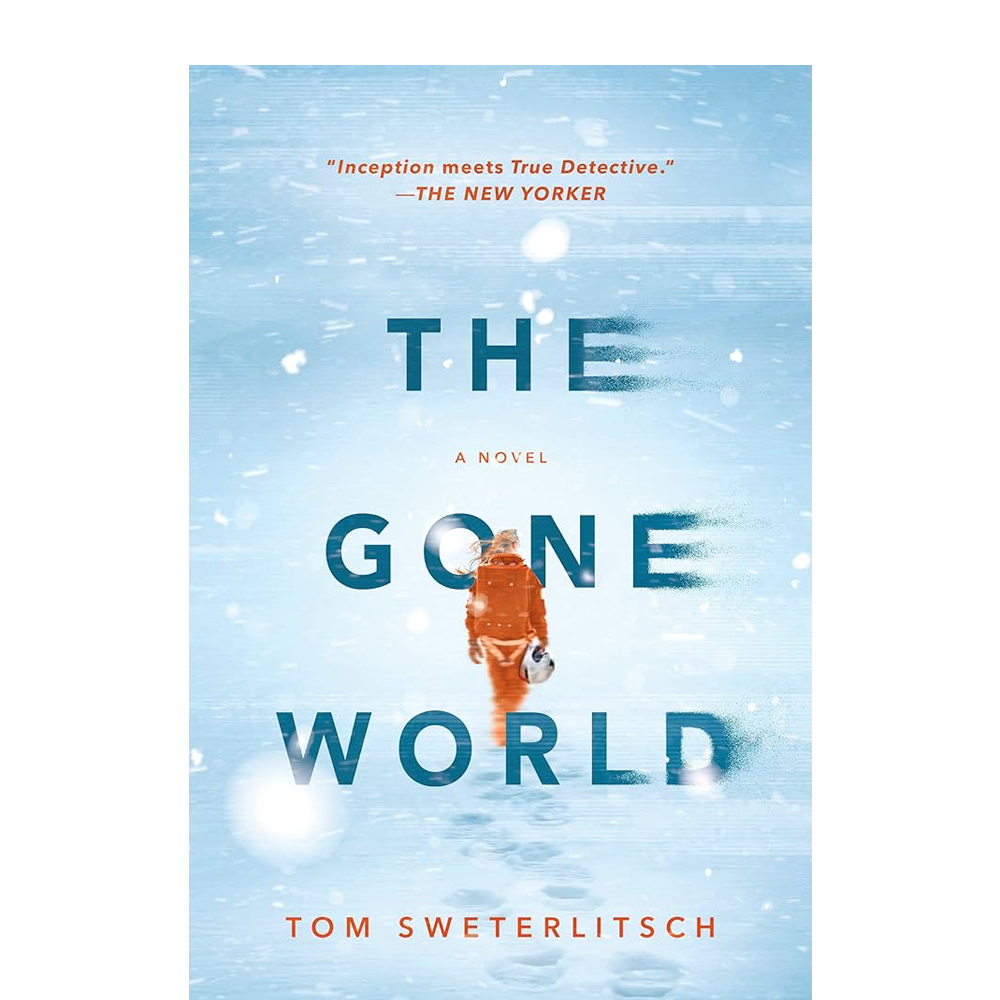
The Gone World
Tom Sweterlitsch
This is a high-concept sci-fi thriller in which an NCIS agent investigates a murder in 1997, travels into multiple possible futures, and uncovers an impending apocalypse known as the Terminus, which threatens all of humanity.
I’d describe it as Inception meets True Detective. Great read.
★★★★
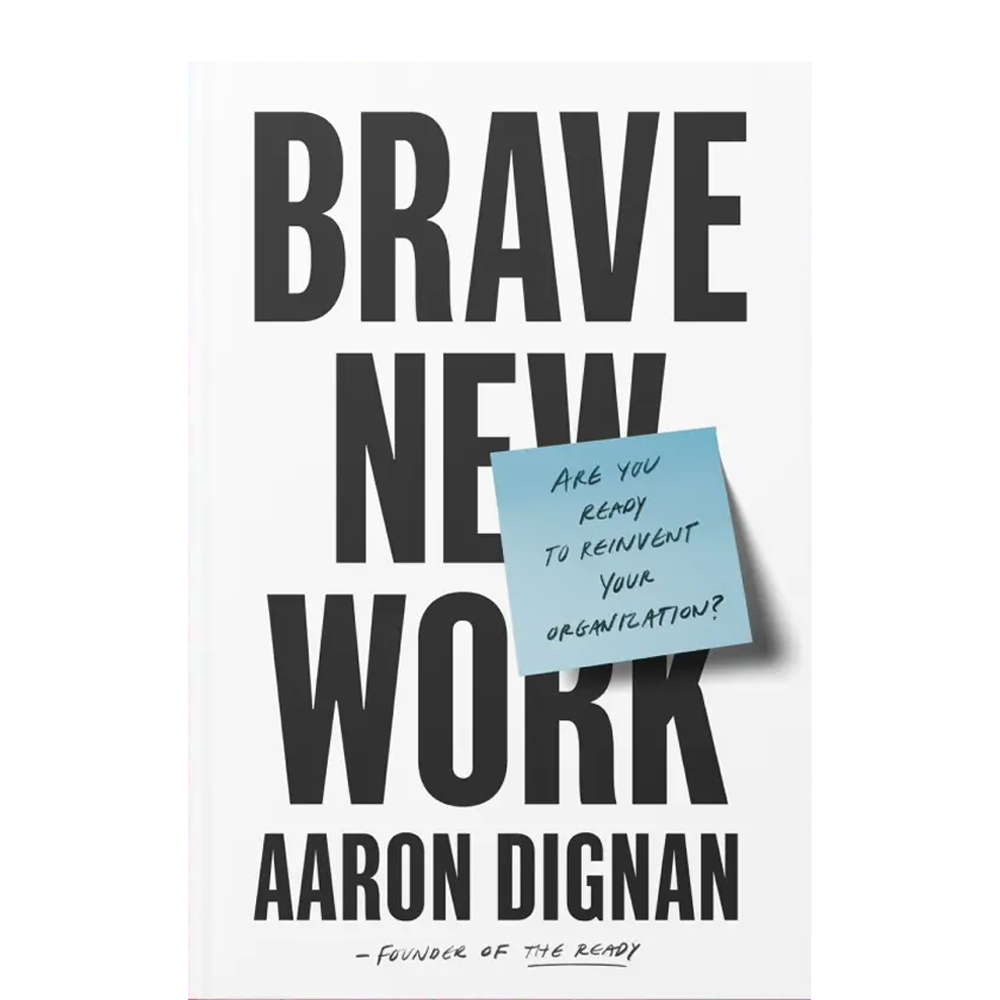
Brave New Work: Are You Ready to Reinvent Your Organization?
Aaron Dignan
If you’ve been working for any amount of time, you know there have to be better ways to do things. “The way it’s always been done” doesn’t keep up with the way the world works.
This book provides a framework for transforming organizations by replacing rigid, outdated operating models with adaptive, people-centered systems that foster trust, autonomy, and continuous improvement.
Oh, that companies would read and embrace some of these ideas.
★★★★★
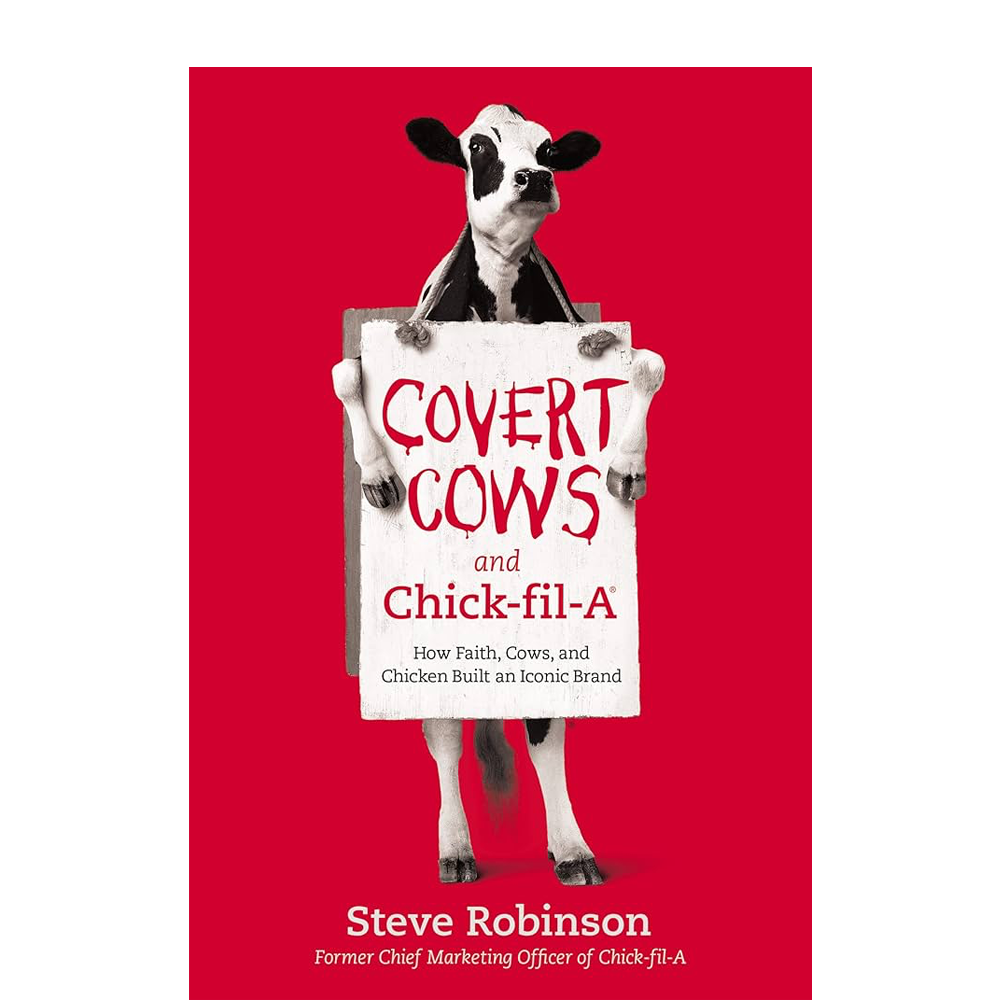
Covert Cows and Chick-fil-A: How Faith, Cows, and Chicken Built an Iconic Brand
Steve Robinson
While I’ve always admired the “Eat Mor Chickin” campaign, it wasn’t until COVID hit that I saw the design and innovation power of Chick-fil-A at work. Their ability to effectively navigate social distancing and mobile ordering changed the fast food game. And I love reading accounts of companies that wholeheartedly follow their purpose.
This book, written by their former CMO, offers a behind-the-scenes look at how a faith-founded fast-food company redefined its brand strategy, culture, and growth — from 184 stores to billions in sales — by building on its values, innovation, and the iconic “Eat Mor Chikin” campaign.
★★★★
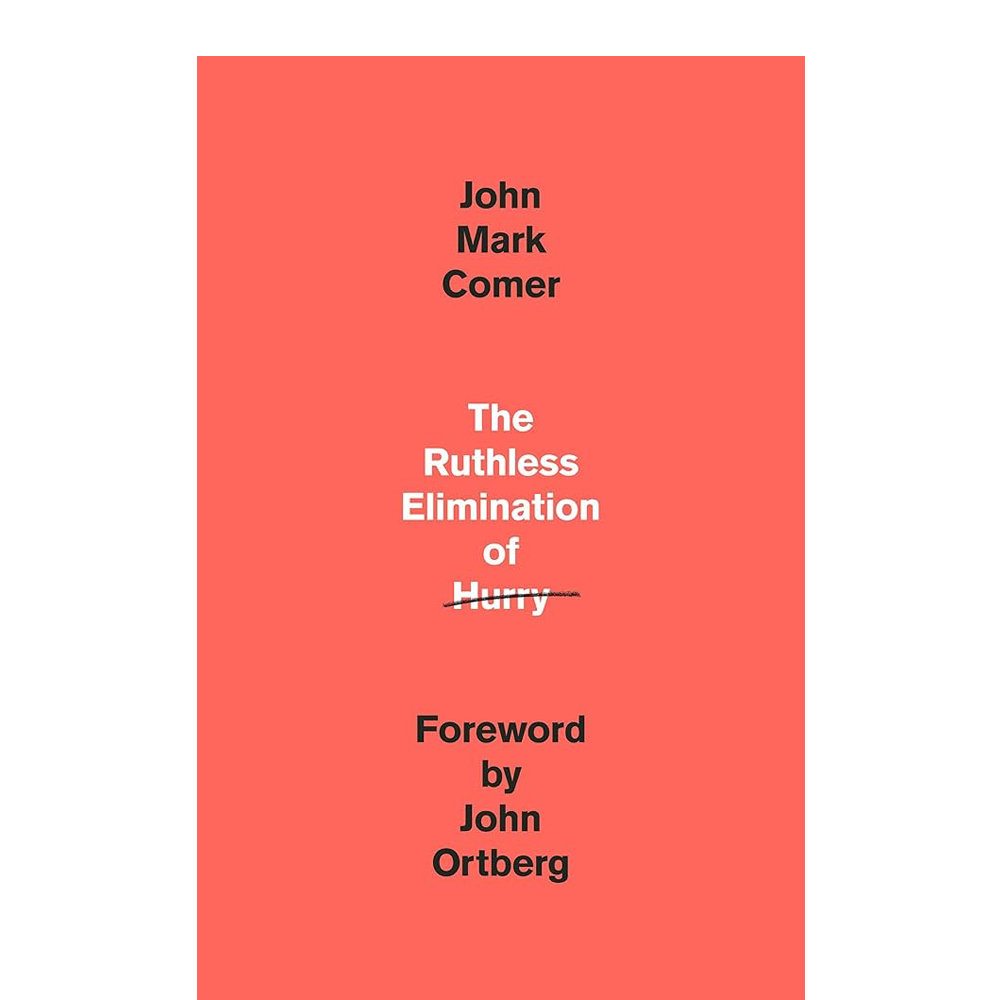
The Ruthless Elimination of Hurry
John Mark Comer
If you’re anything like me, you've noticed how the relentless pace of modern life—characterized by busyness, distraction, and hurry—erodes emotional health, relationships, and spiritual depth.
This is why true fulfillment requires slowing down, simplifying, and creating space for presence and rest. Words that are foreign to our beings in 2025.
In the book, Comer offers critique and encouragement, proposing practices like silence and solitude, Sabbath, simplicity, and intentional slowing as antidotes to hurry and pathways to a more meaningful, connected, and spiritually alive life.
I could read this book annually—and I might just do that.
★★★★★
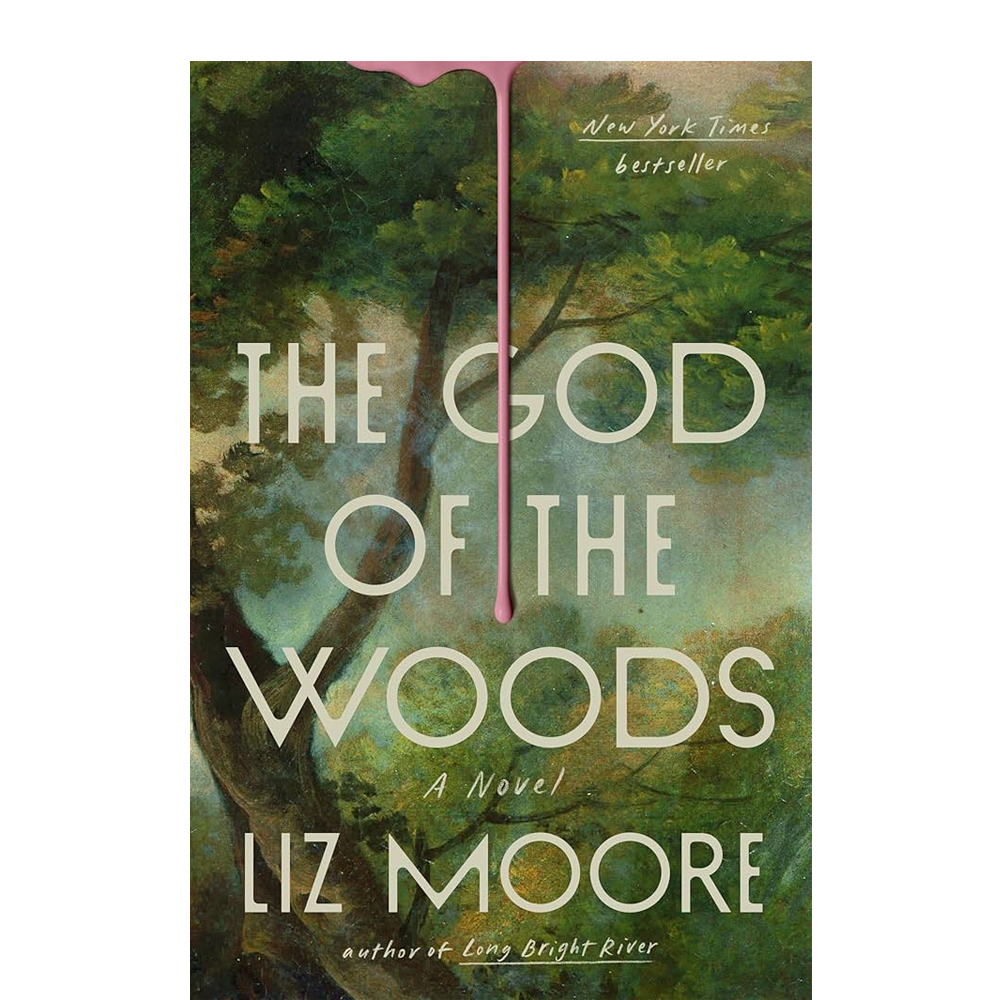
The God of the Woods
Liz Moore
I kept seeing this on Goodreads lists and figured I’d give it a whirl.
The book is a layered mystery and family saga set in the Adirondack Mountains in 1975, beginning with the disappearance of a thirteen-year-old girl from her family’s summer camp—a chilling echo of her brother’s unsolved vanishing years earlier.
Each chapter is focused on a different character and time, keeping the pace very quick.
★★★
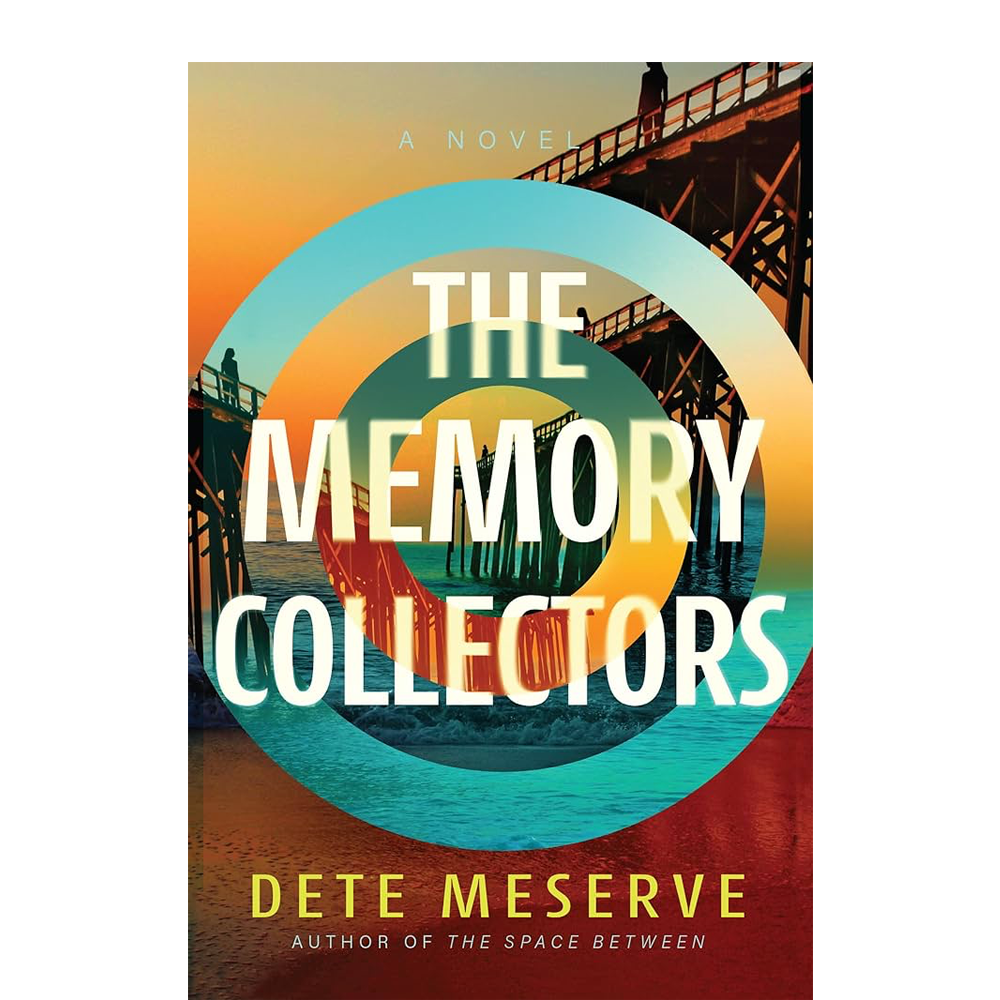
The Memory Collectors
Dete Metserve
Four strangers in California pay to use a time-travel company’s technology to spend an hour in their pasts, revisiting moments of loss, regret, and longing, only to find themselves stranded and drawn into a shared tragedy that changes all of their lives.
Another Goodreads recommendation. Once you begin to know each character, you’ll find yourself quickly flipping pages to find out what happens to them next.
★★★
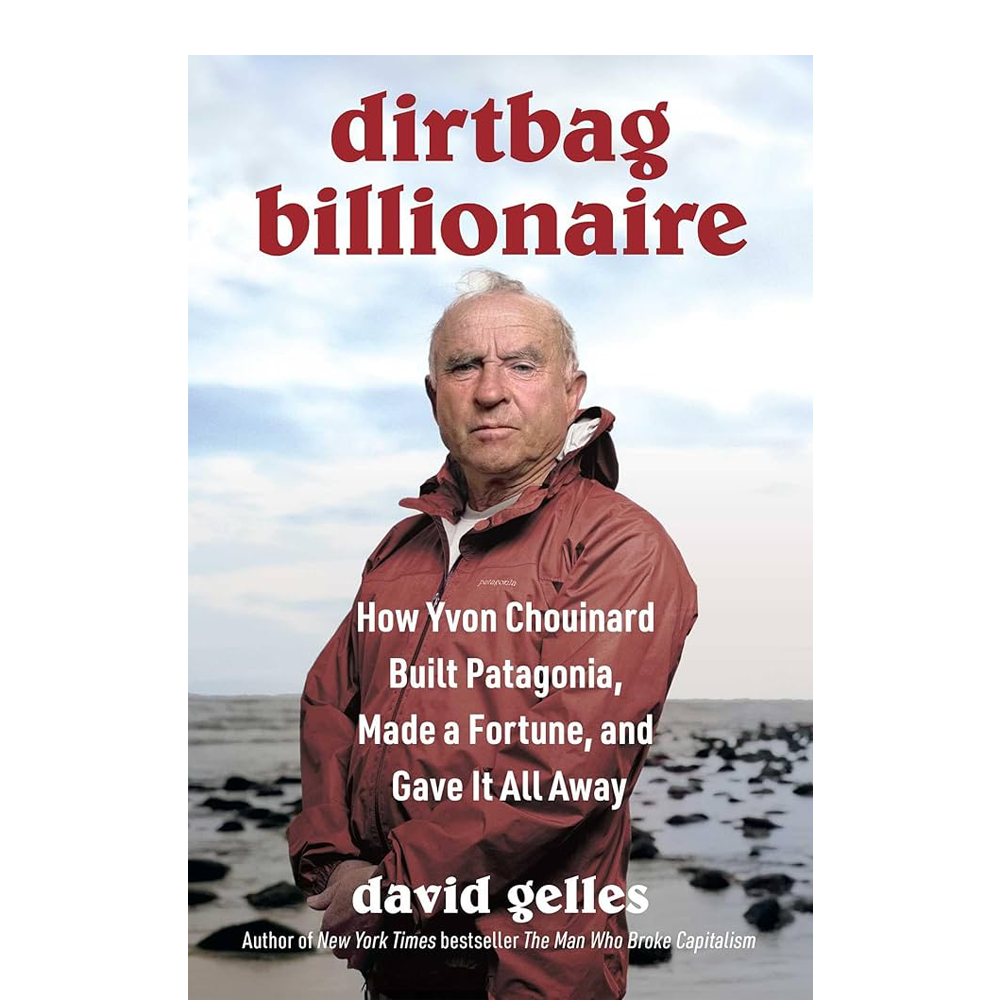
Dirtbag Billionaire: How Yvon Chouinard Built Patagonia, Made a Fortune, and Gave it All Away
David Gelles
After reading Covert Cows, I was on the hunt for other stories of people or companies who live by their values. I was pleasantly surprised that Gelles had just authored this compelling biography of Patagonia founder Yvon Chouinard. He traces his journey from a minimalist “dirtbag” climber to a billionaire entrepreneur who built one of the most socially and environmentally conscious brands in the world.
The book explores how Patagonia defied traditional capitalist norms through unconventional decisions, responsible practices, and activism, culminating in Chouinard’s decision to donate the company’s profits to combat the climate crisis.
★★★★
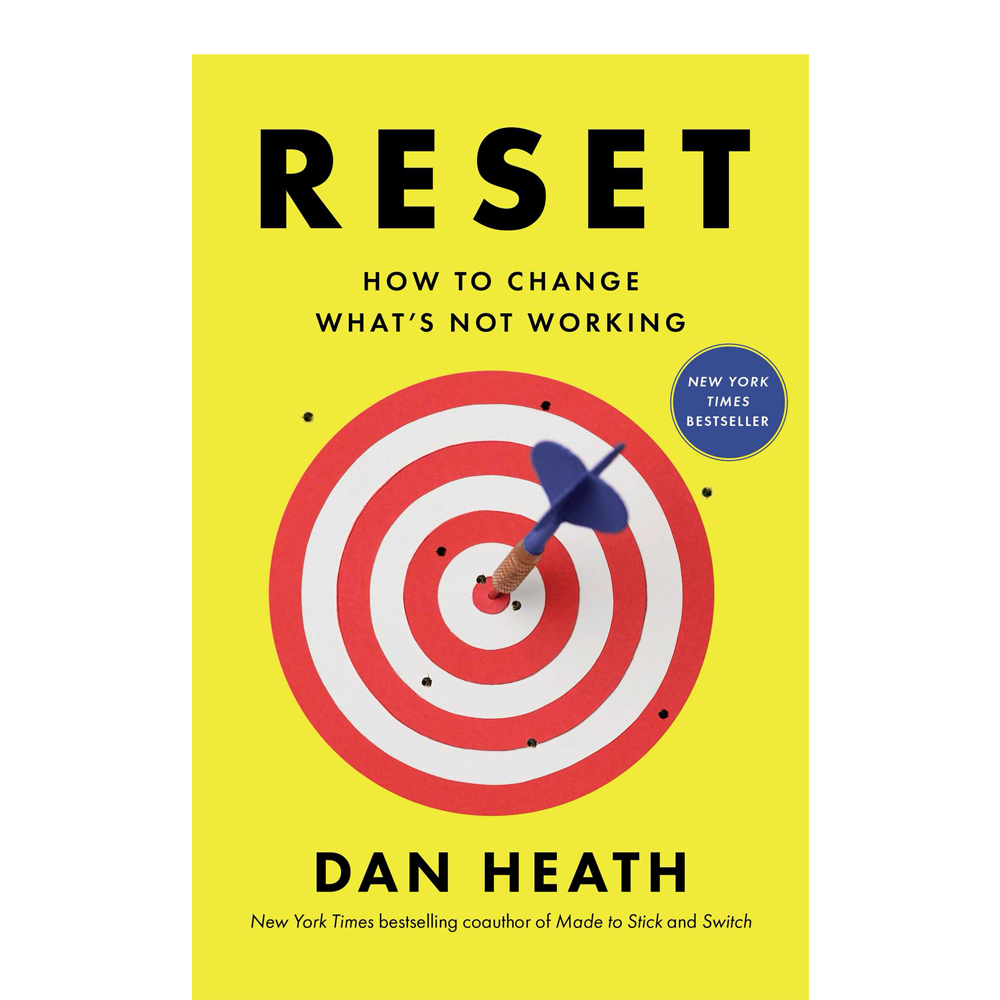
Reset: How to Change What’s Not Working
Dan Heath
Heath offers a practical, research-backed framework* for breaking free from stagnation in systems, organizations, and everyday life by identifying high-impact “leverage points” where a slight shift can create outsized results and reallocating resources to support meaningful change.
*This is a repackaged version of design thinking. Which I absolutely love and think has general appeal. However, it didn’t provide me a ton of new insights.
★★★
What books inspired you this year?