Design for People for Design
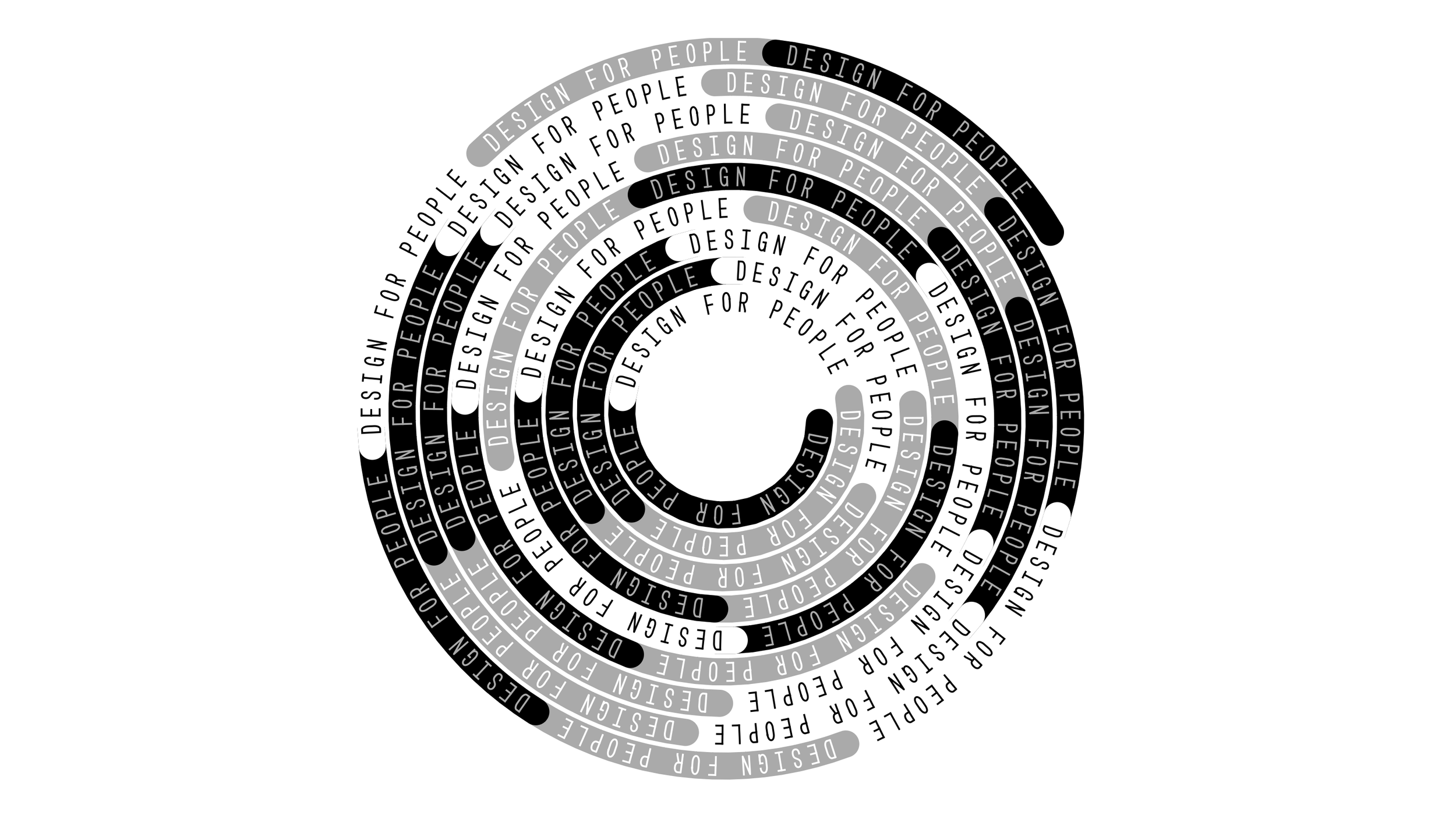
Recently, it seems as though people are more readily questioning the value of design and design thinking. We’re surrounded by headlines celebrating speed, scale, and efficiency as if they’re the only things that matter. And if you listen long enough, you start to hear a dangerous narrative take hold: that empathy is inefficient, creativity is expendable, and human perspective is becoming optional.
This isn’t new news; people have been declaring design is dead for a long, long time. Don’t believe me? Bring Out Your Design Dead catalogues the articles, reports, and hot takes declaring the many deaths of design—the first dating back to 1930.
Yet, while technology continues to reshape how we work, it doesn’t replace why I (or we) create in the first place, or who we create for. The real opportunity ahead isn’t choosing between people and machines. It’s remembering that the most meaningful experiences will still be built by those who understand people better than anyone else.
This is my attempt* at sharing that in a creative, narrative form
Design for people
More than ever
Thinking this way is short-sighted
Efficiency trumps empathy
The machines win
Don’t tell me that
People matter, and their ideas hold power
Because the truth is
AI is automating every decision
The tides are turning
It’s foolish to believe
There is value in creativity
We still have leverage
With systems evolving this quickly
It’s scale against soul
It’s our creation versus an algorithm
The odds aren’t in our favor
Our perspective is no longer valuable
We should stop pretending
People-centeredness is a competitive advantage
Designing for people matters
(now read bottom up)
*A few years ago, I encountered a powerful narrative structure. A text that is read forward gives a dystopian view of a situation, but when read in reverse, it inspires hope. Hat tip to Jason Dyba, who wrote that script. My attempt is but a subtle homage to his.